West Valley Connector Update
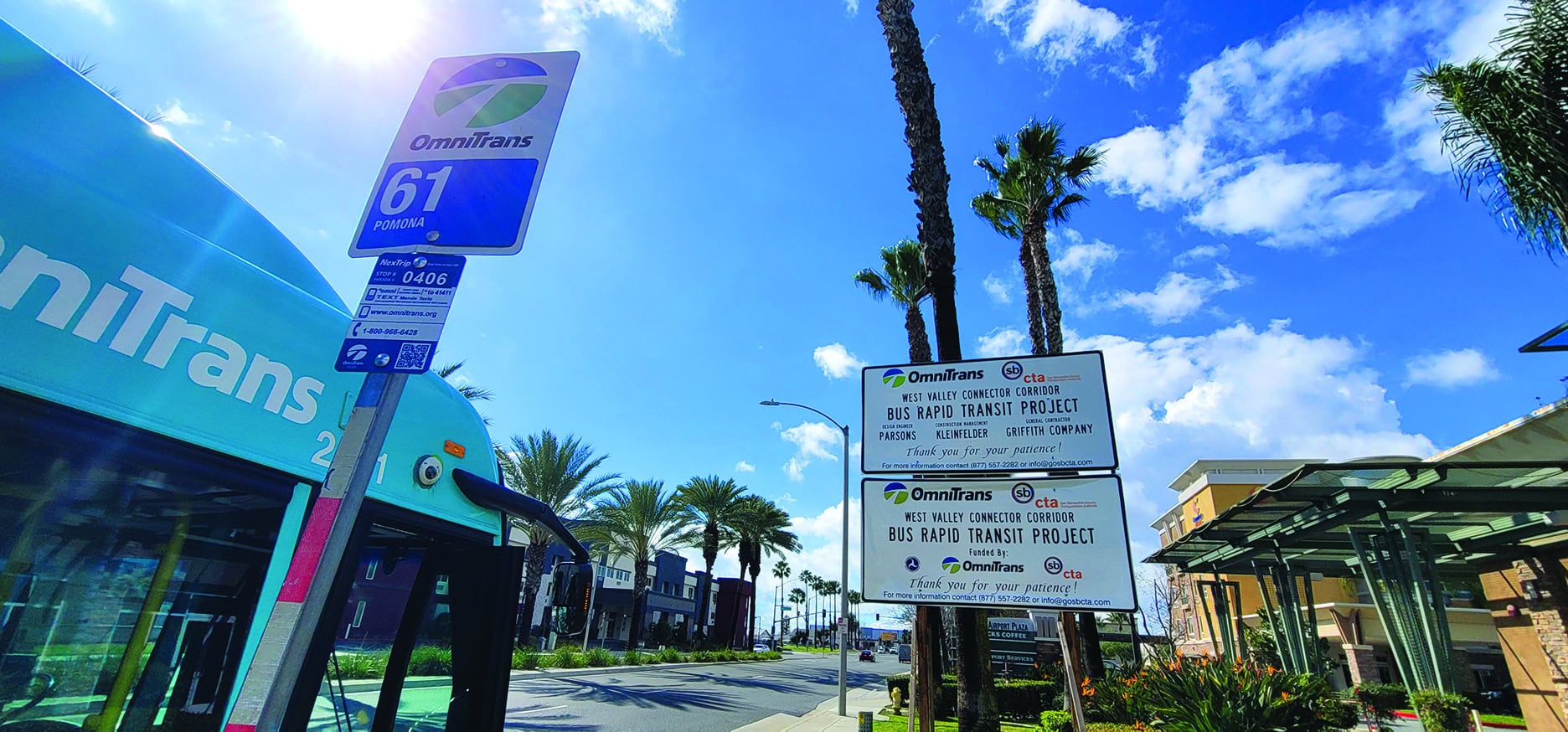
Omnitrans is happy to give an update on the...
Omnitrans is happy to give an update on the...
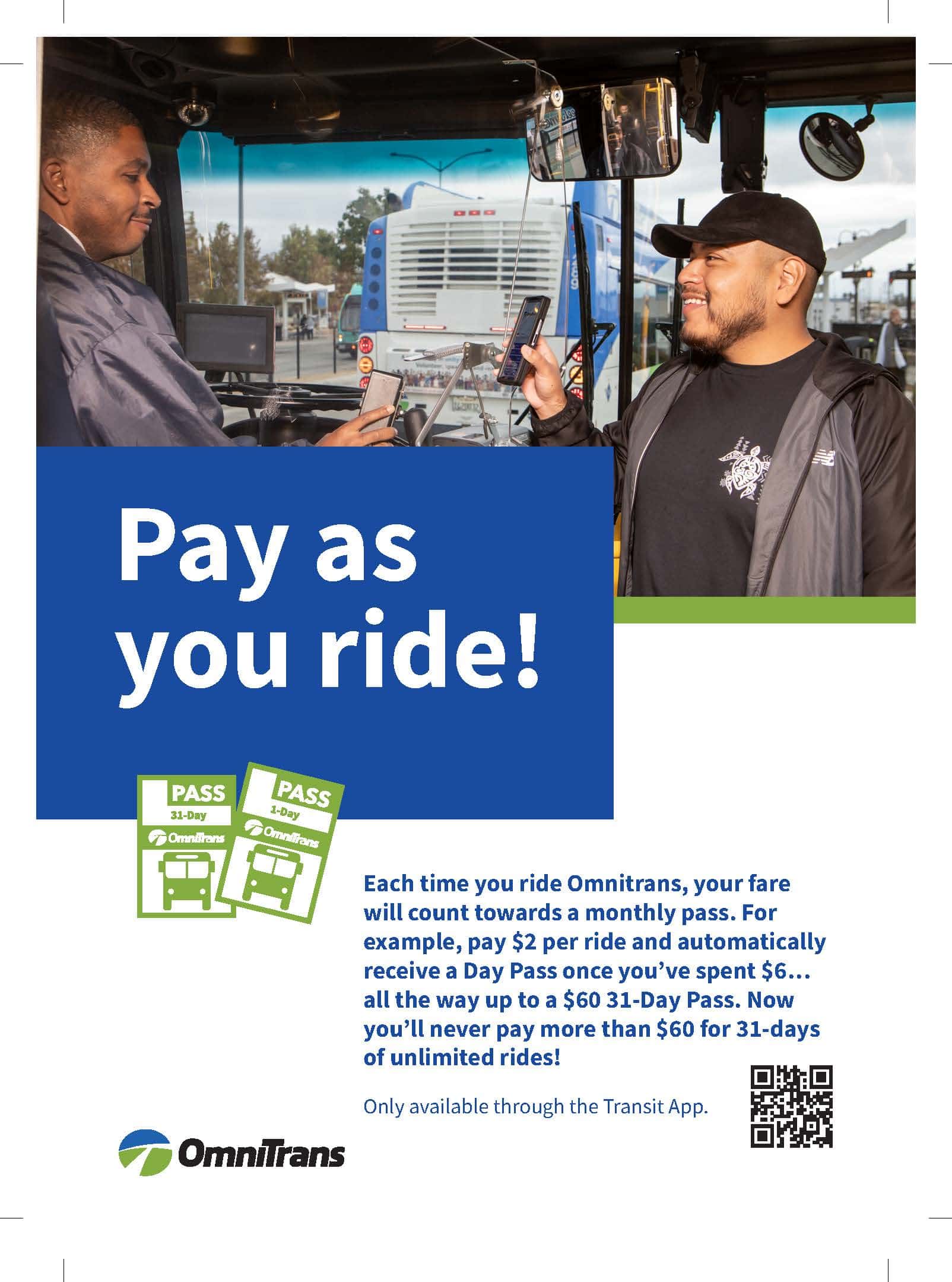
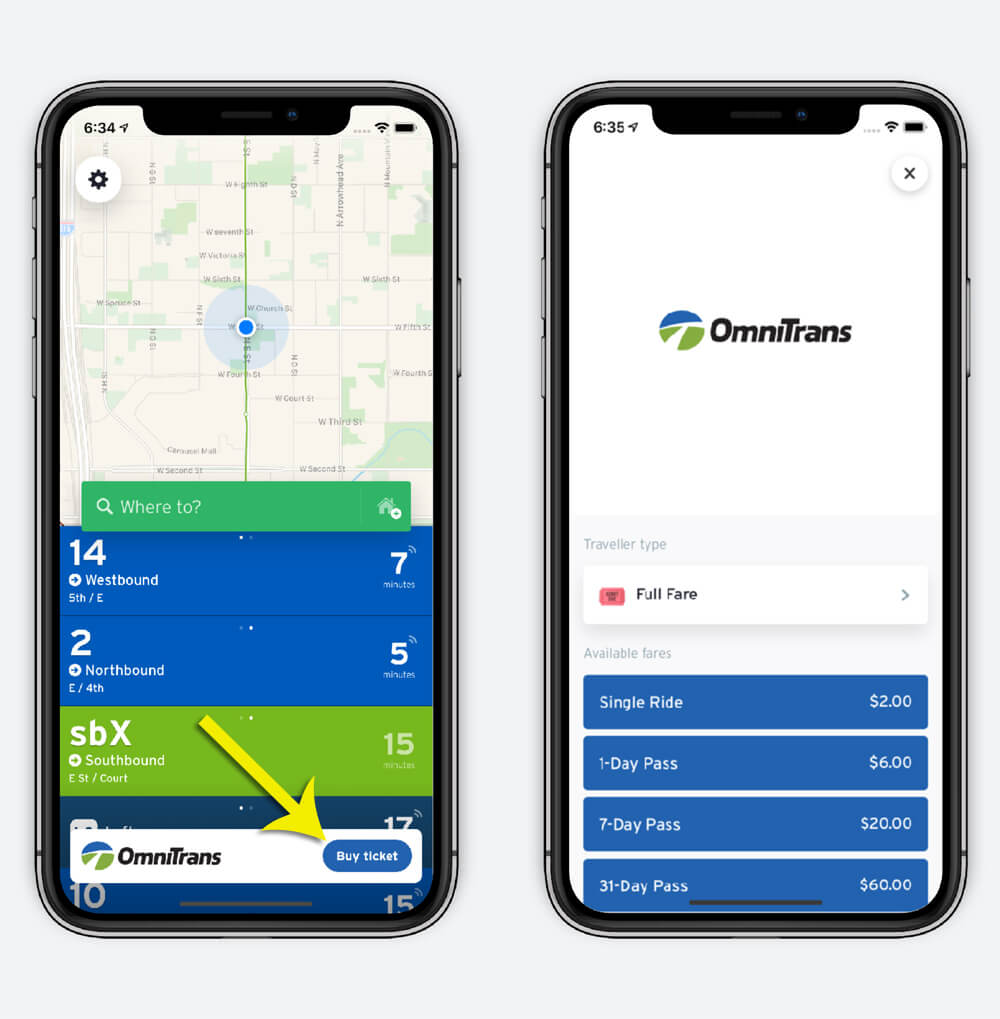
Paying For Fares Made...
Yee-Haw! If you’re ready to saddle up and...
April 27 | 1 pm - 3 pm
Fontana Transit...

Return Of The...
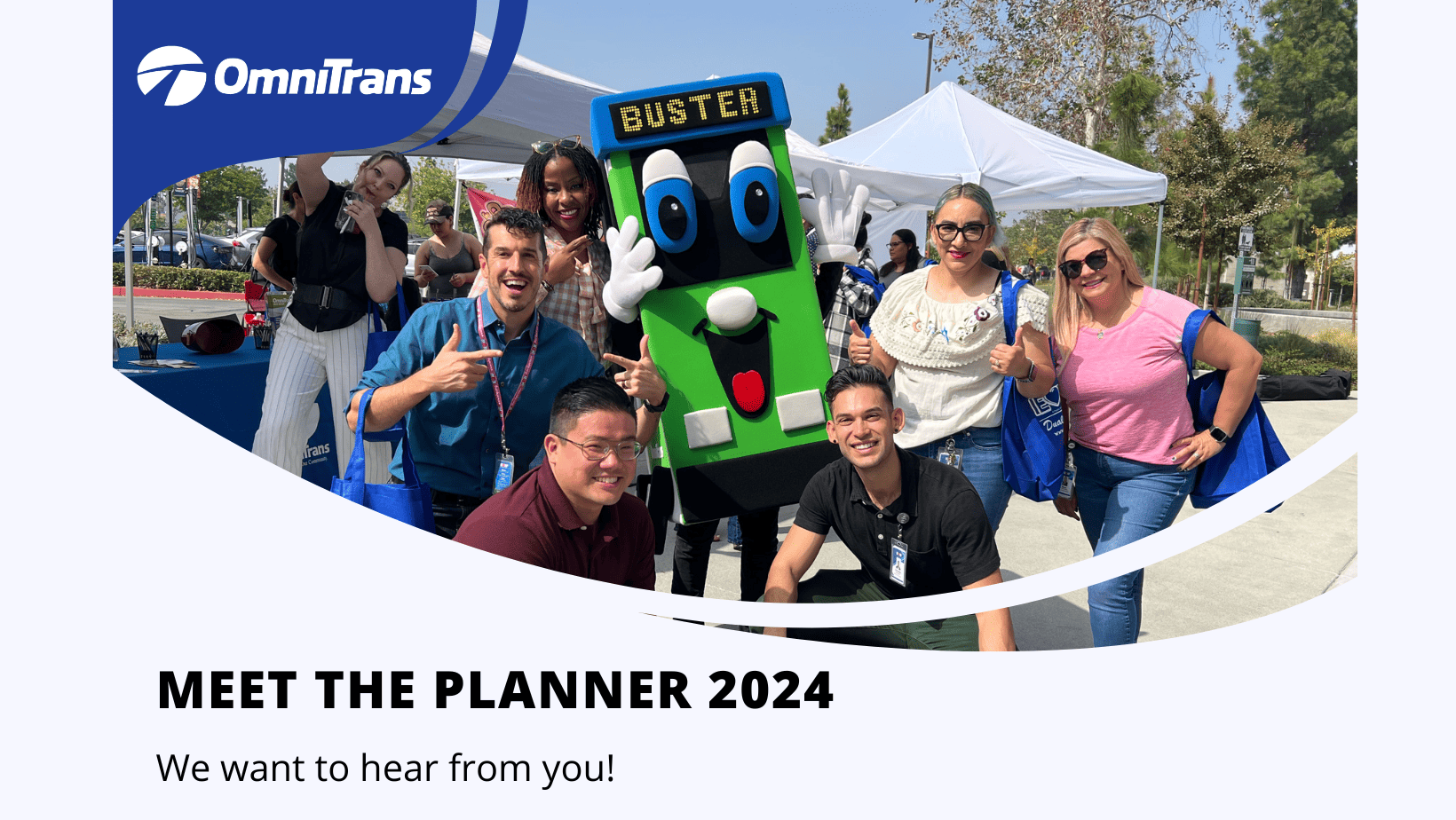
Meet the Planner!
Omnitrans is...
Written By: Dominique Mackey
When Etwanda...
Due to a special event in San Bernardino,...
Photo Credit: California State University, San...
Applications Being Accepted Through March...
Do you have good rhymes, rhythm, one liners...
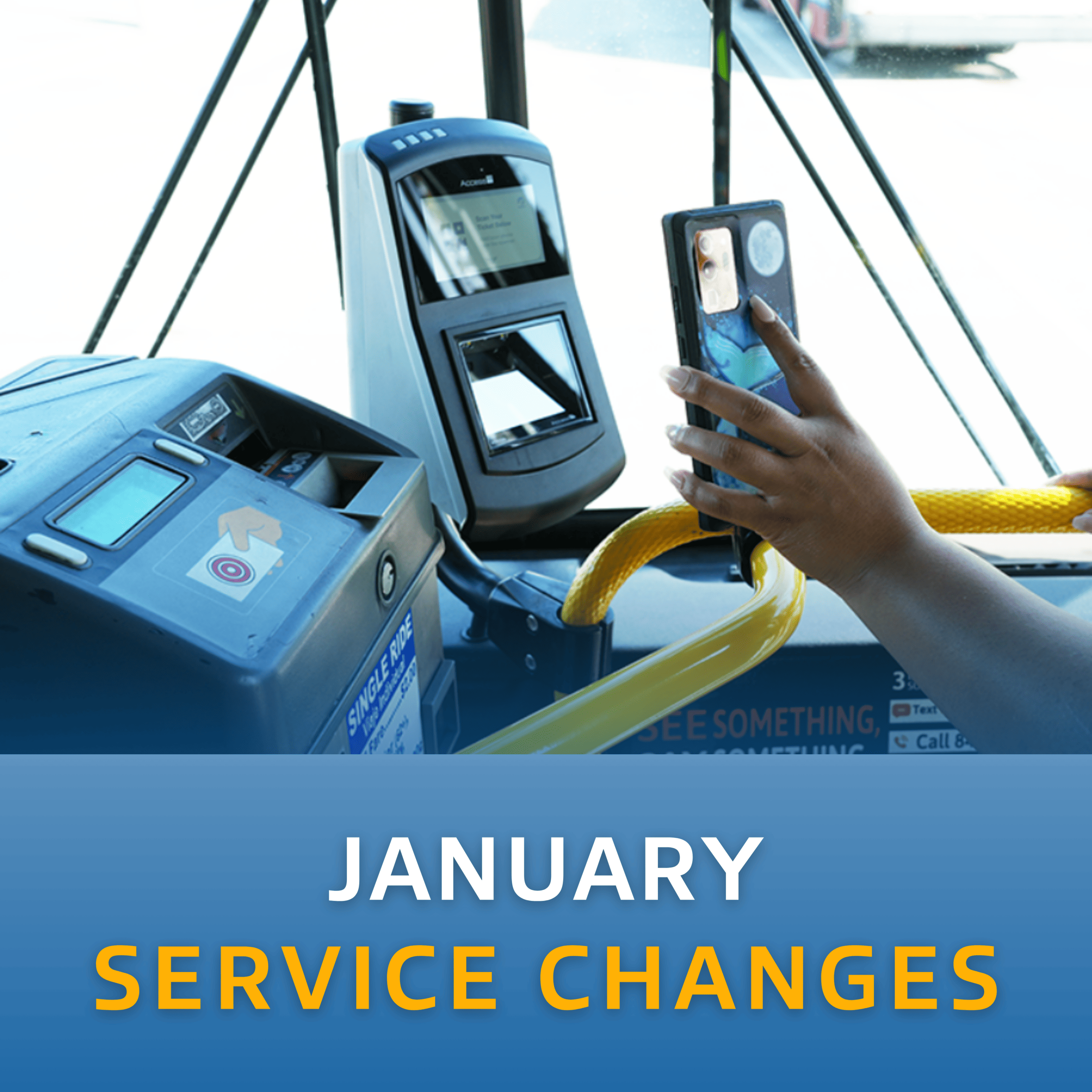
Below is a list of what's new in 2024 ...
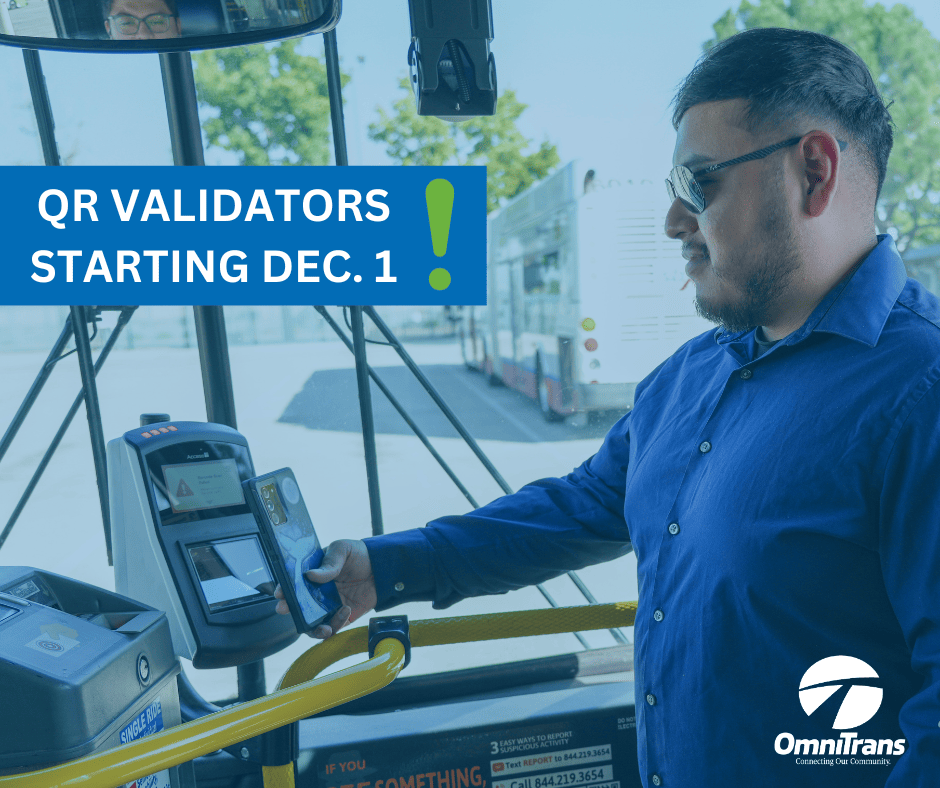
Starting December 1, Omnitrans is...
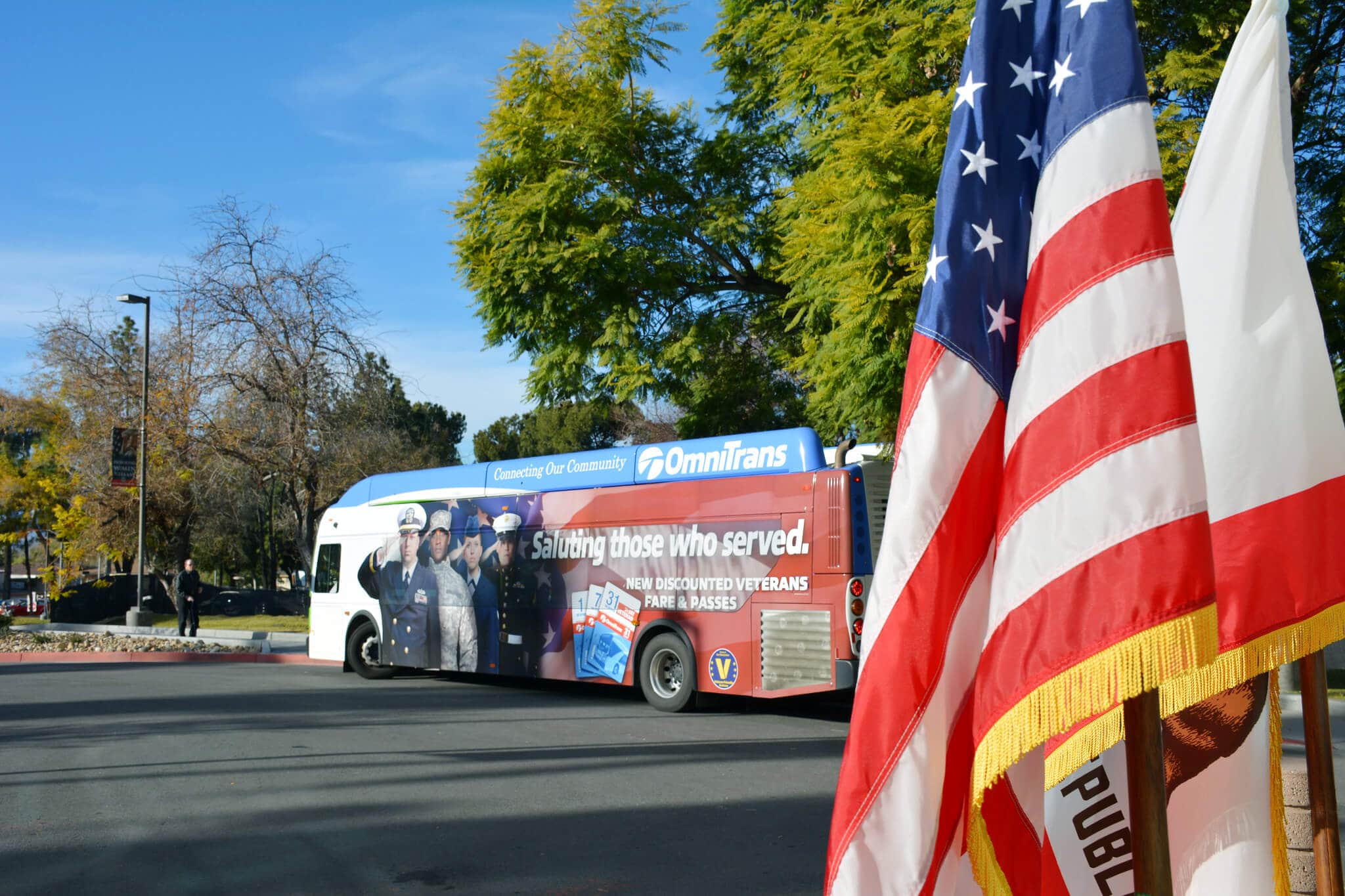
As Veterans Day approaches, it's time to...
10th Annual Rendezvous Back to Route 66 Car...
FREE RIDES on all Omnitrans fixed-route...
Calling All Inland Empire...
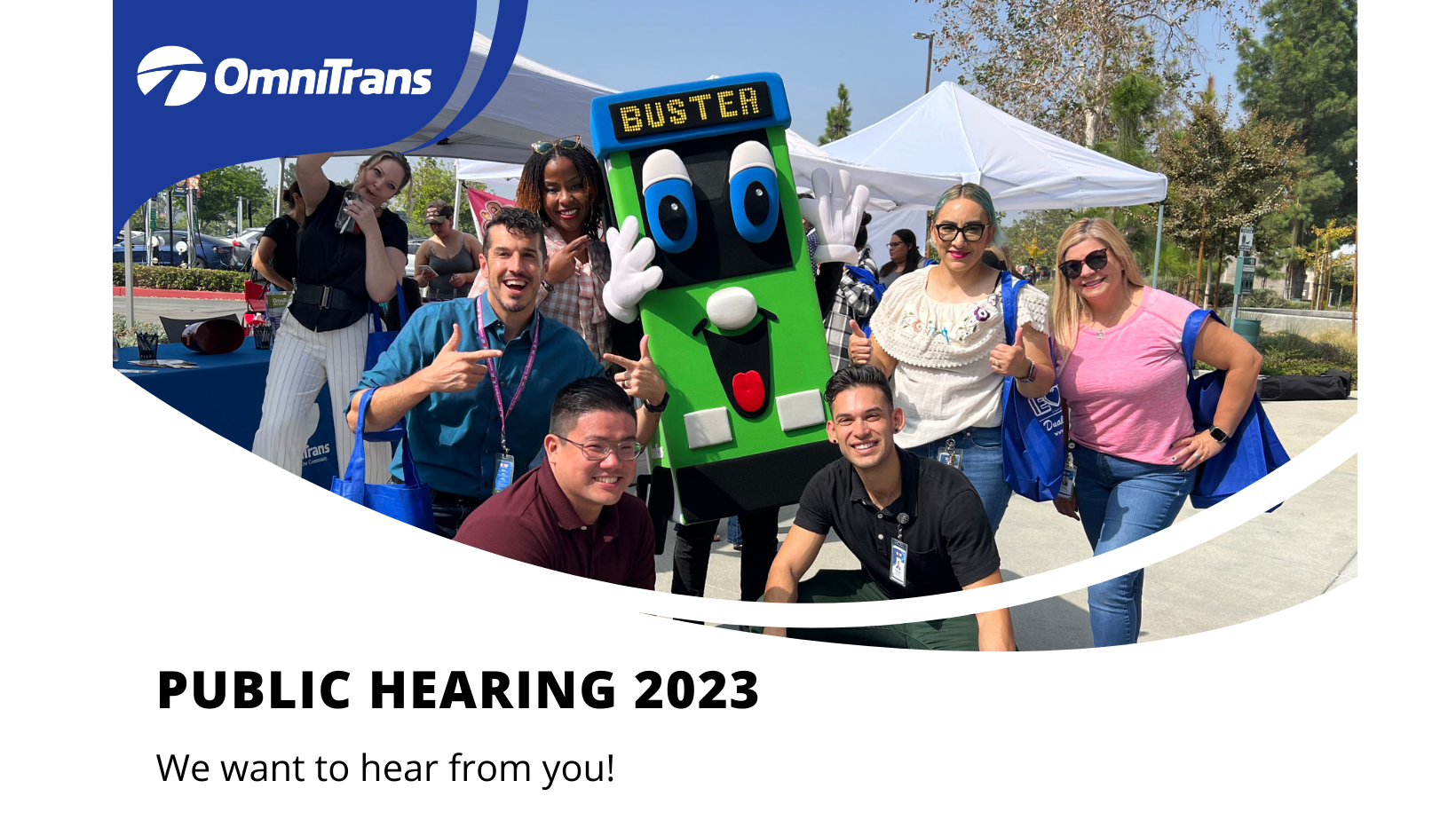
We Want to Hear From You
Share your...
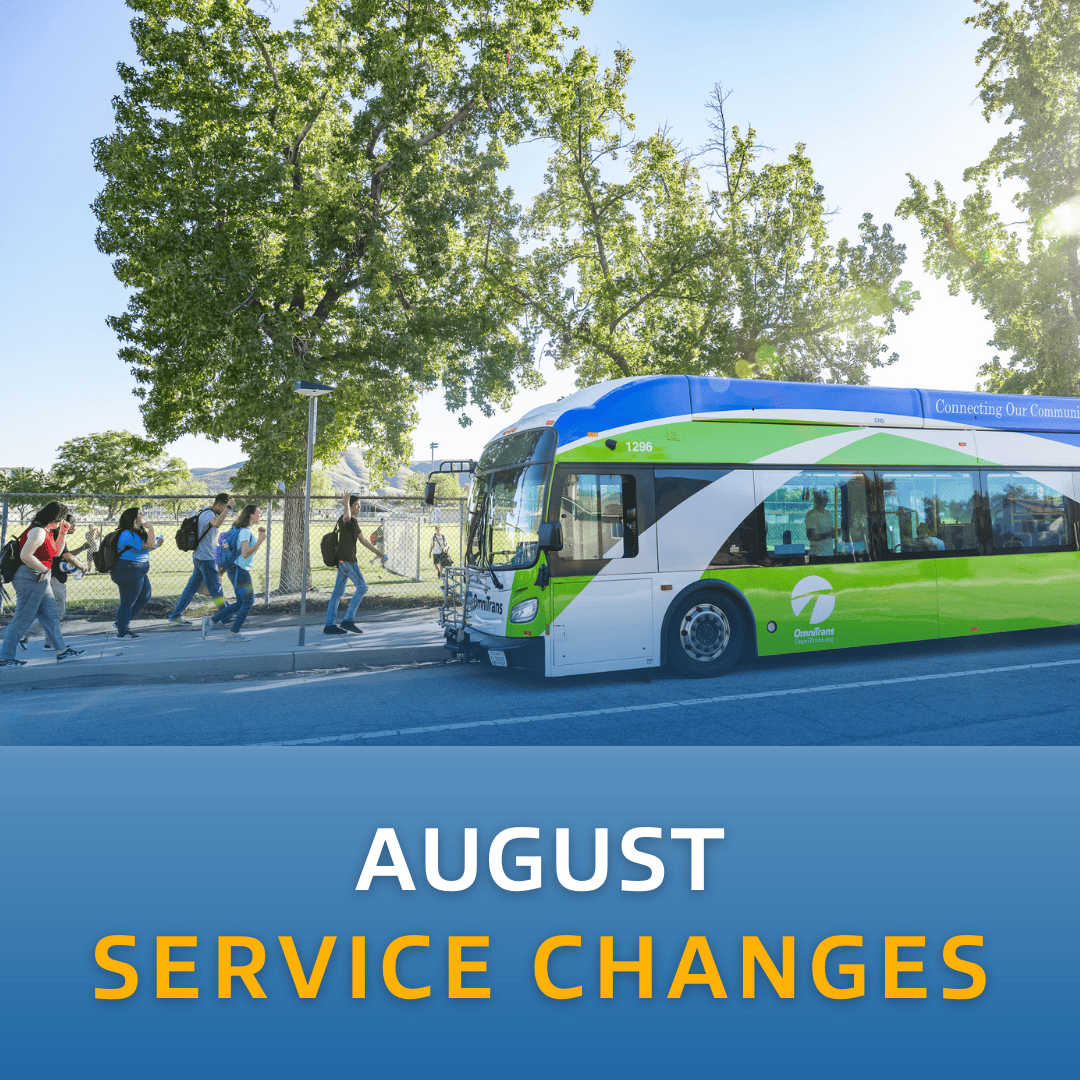
Below is a list of what's new in August...
Have your tried Token Transit’s “Send A...
In observance of Independence Day, Omnitrans...
Pictured (Left to Right) Francis M., Community...
Omanitrans RIDE program offers a...
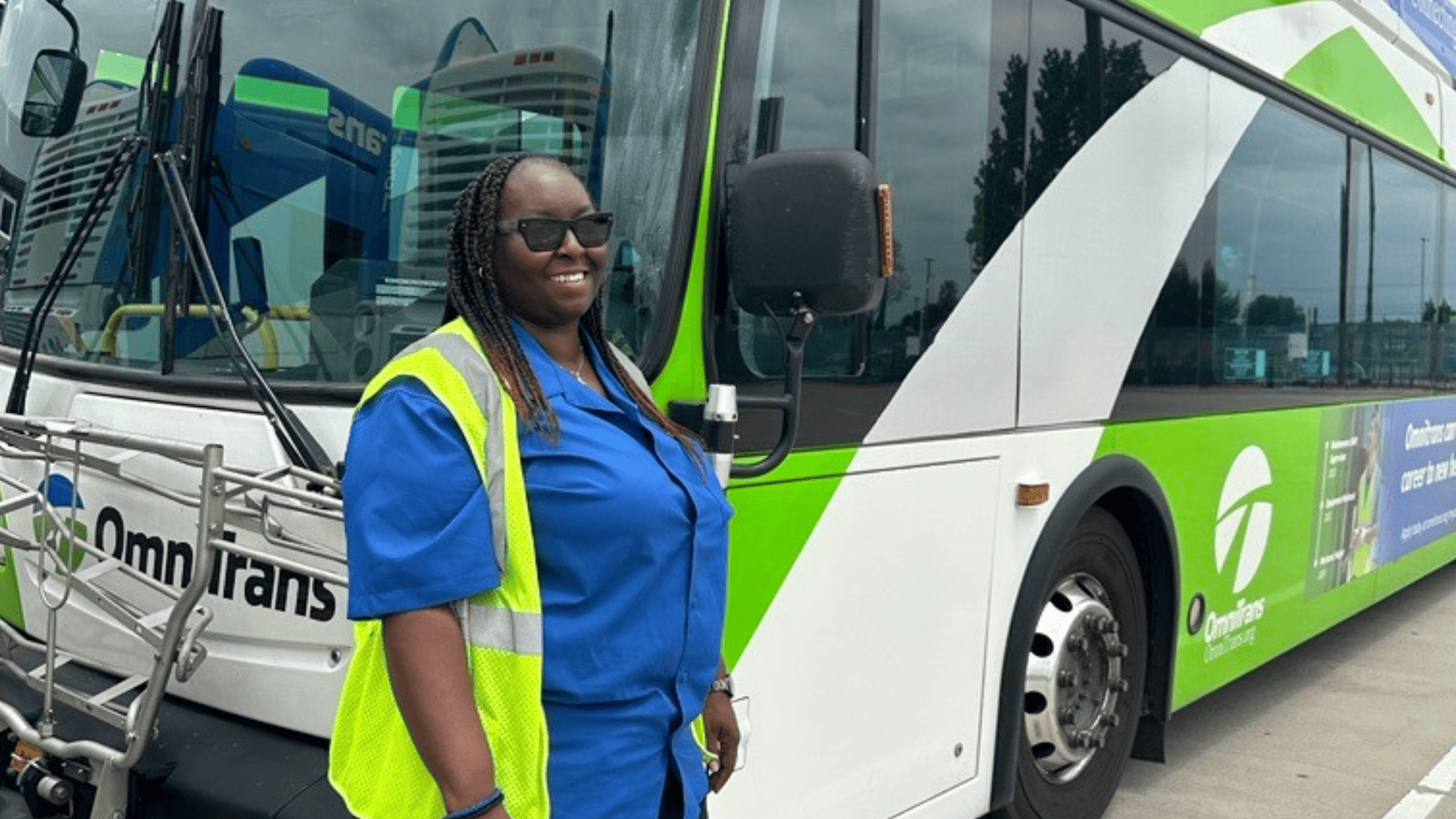
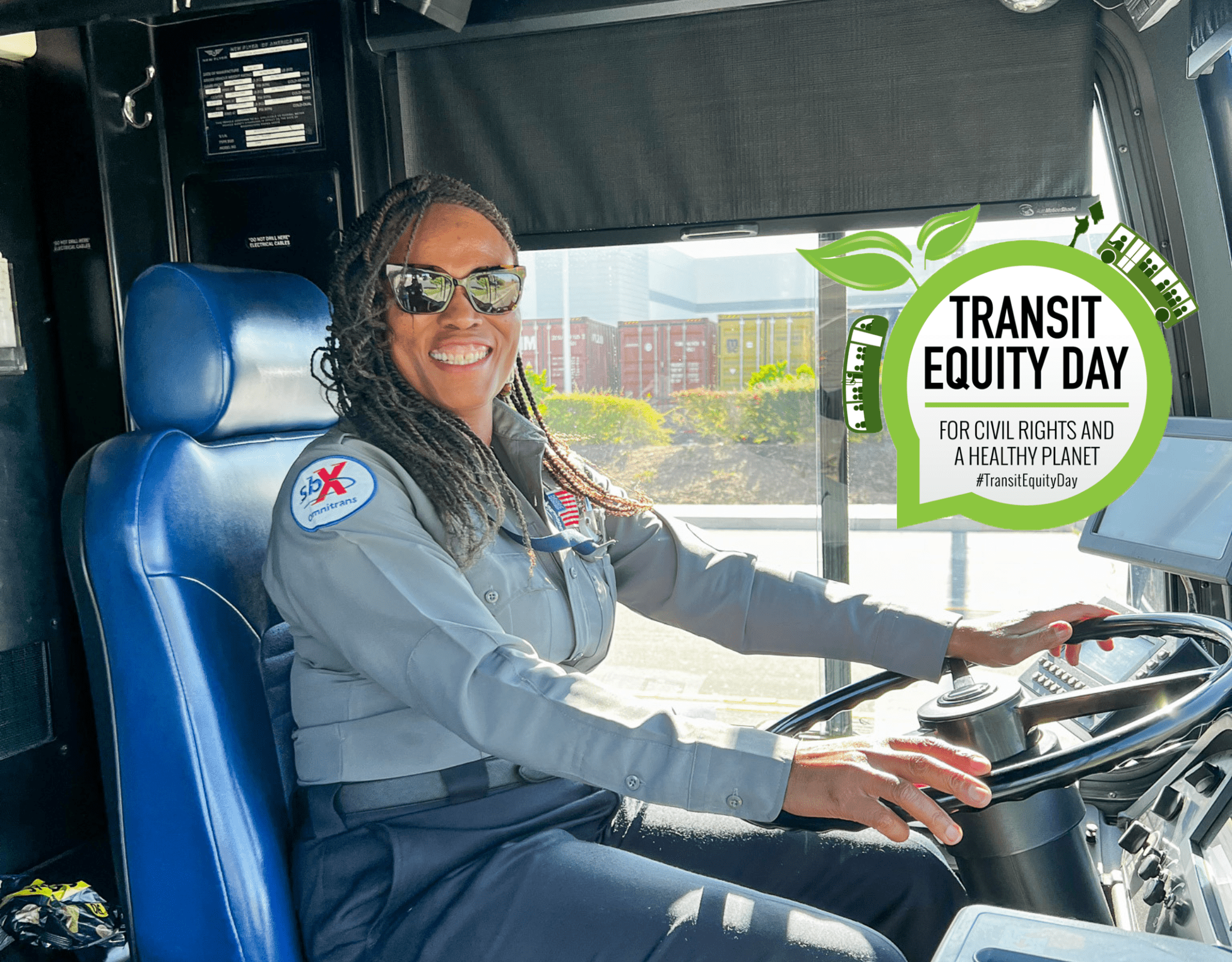
Pictured: Shaneta H., Coach Operator for...
May is Asian American and Pacific Islander...
ABBG Paratransit Survey featured...
Complete Customer Satisfaction Survey |...
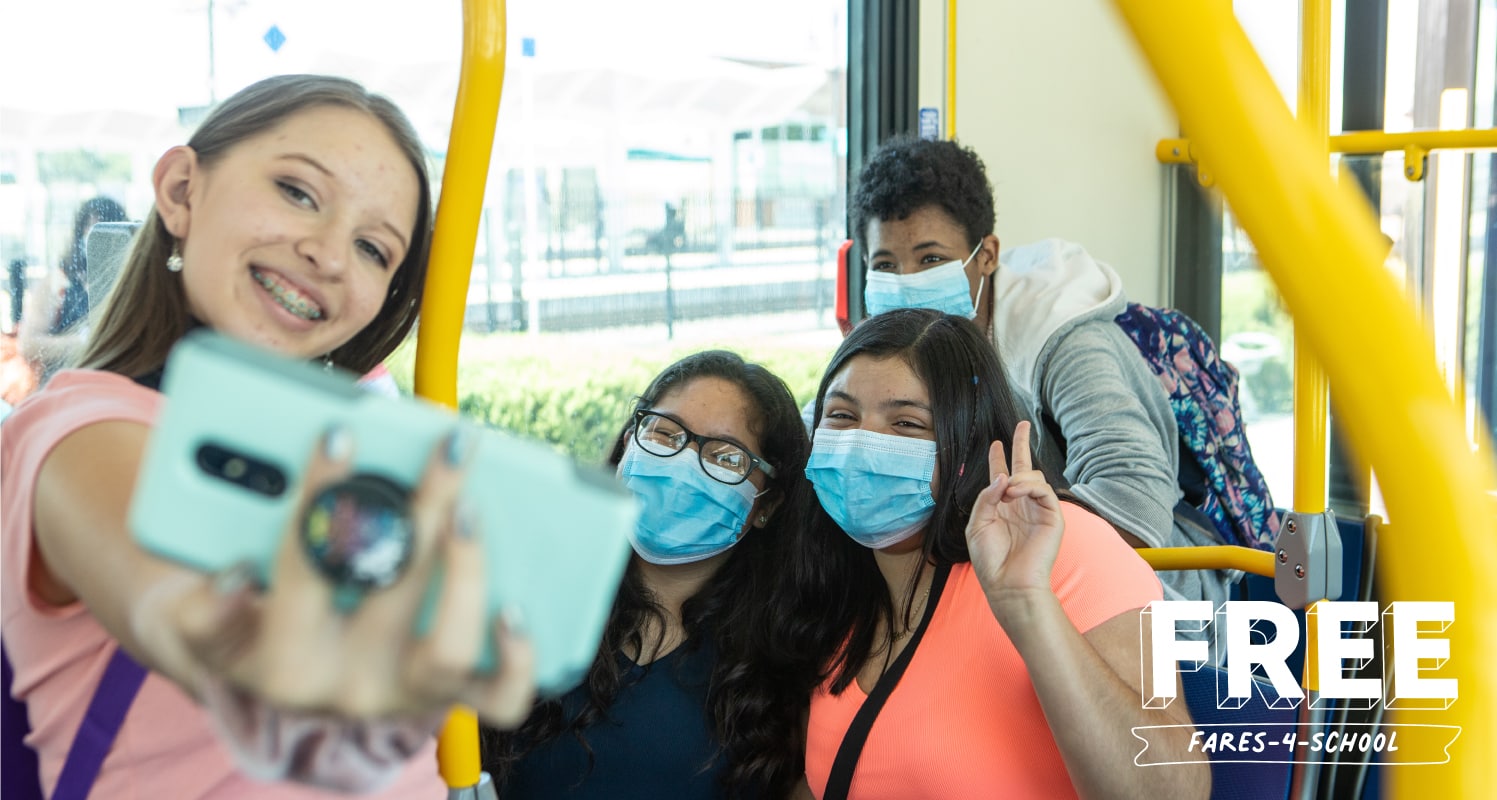
Free Fares For School has been extended through...
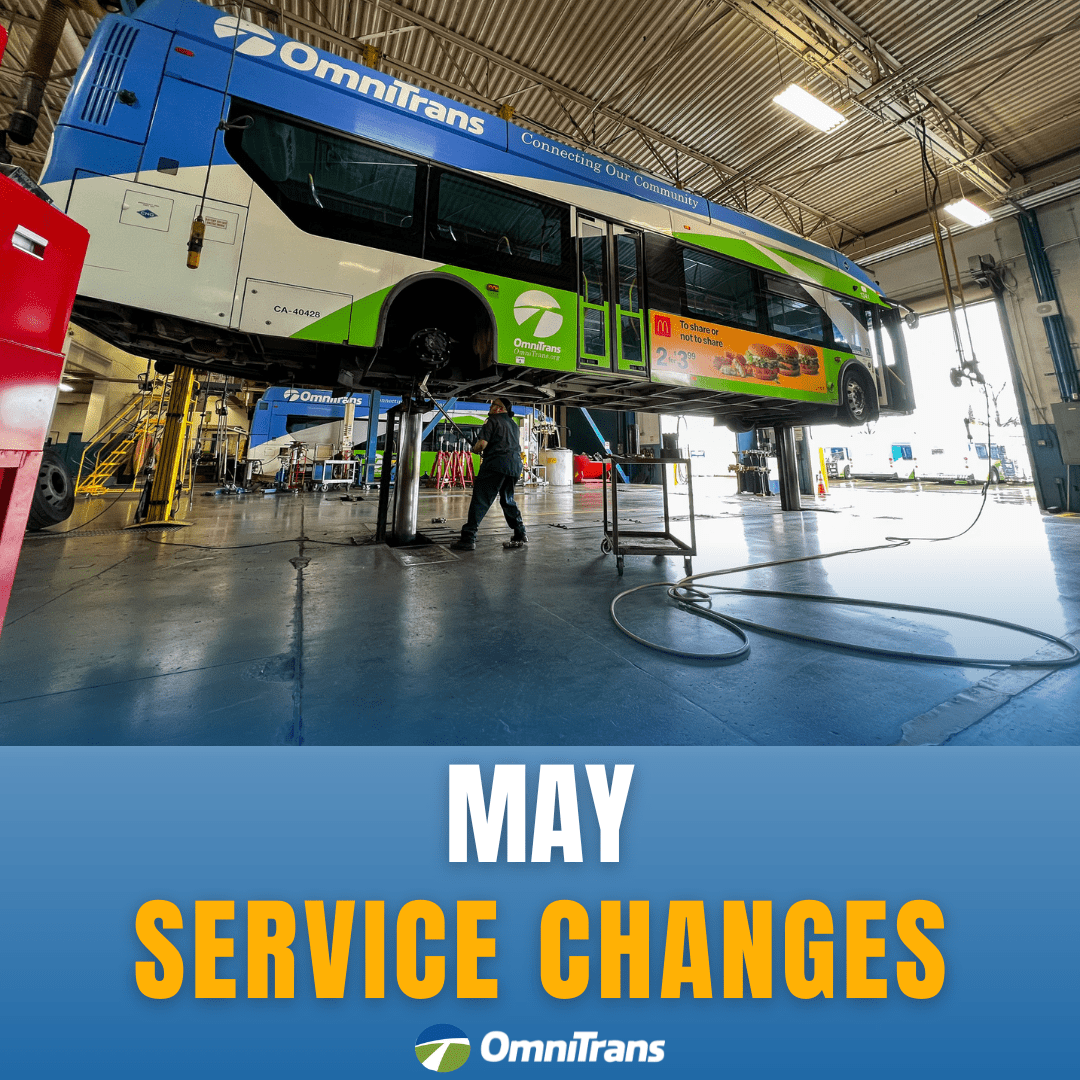
What's new in May Service Changes?...
Are you a student looking for an internship...
On February 1st, Roger Spotten was selected...
On February 1st, Martin Cervantes was...
On February 1st, Janice Kuhn was selected...
On February 1st, Michael Garrett was...
How long have you worked at Omnitrans?...
San Bernardino County Transportation...
On February 4th, 2023, Omnitrans will join...
🏆 Omnitrans is excited to announce the...
As the new year begins, Omnitrans is...
On Saturday, January 14, Omnitrans...
What's new and free in...
The best stocking stuffers are small,...
Omnitrans was the proud host of...
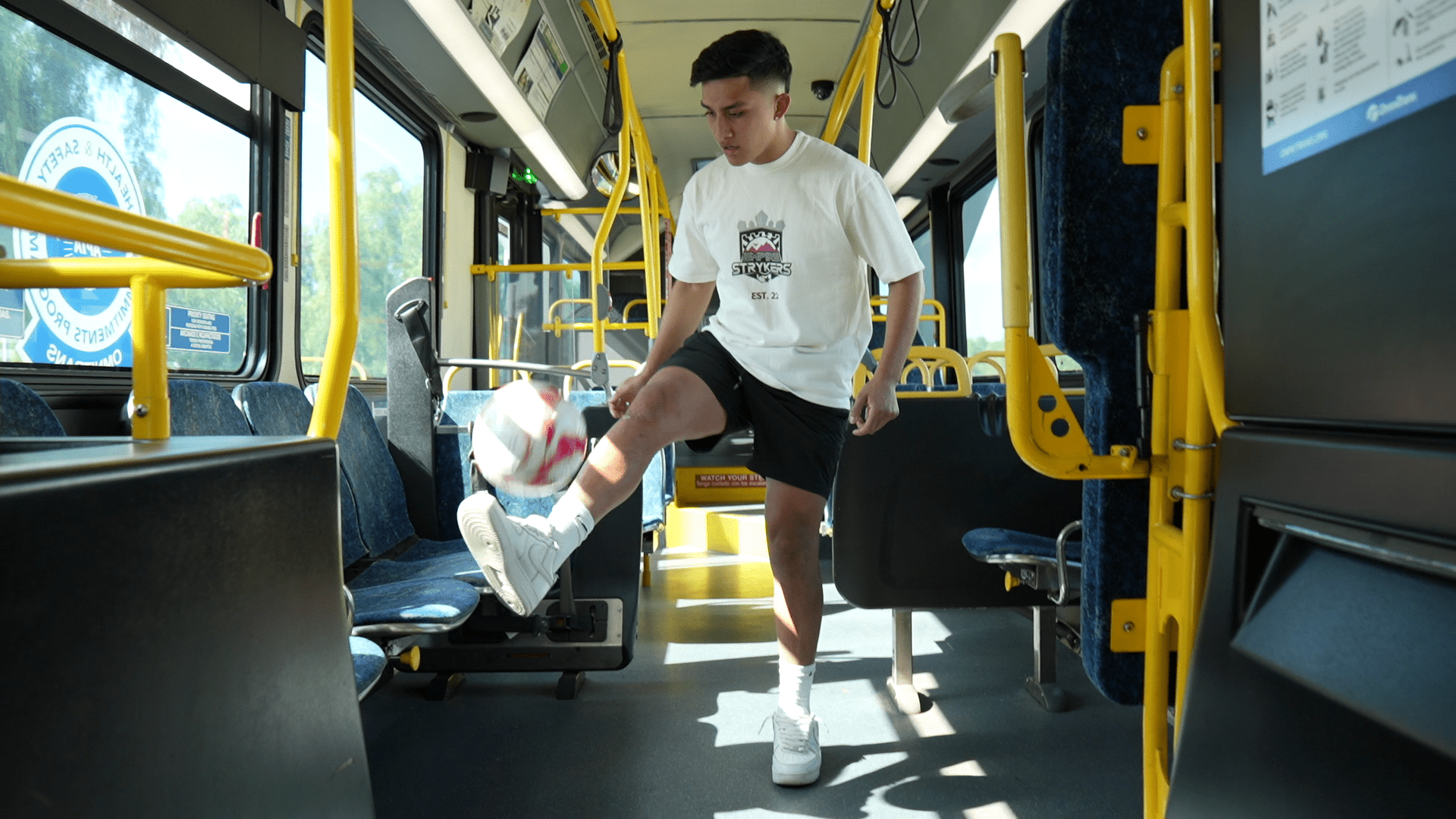
Watch soccer this season: Omnitrans partners...
Looking for Holiday events for family or friends...
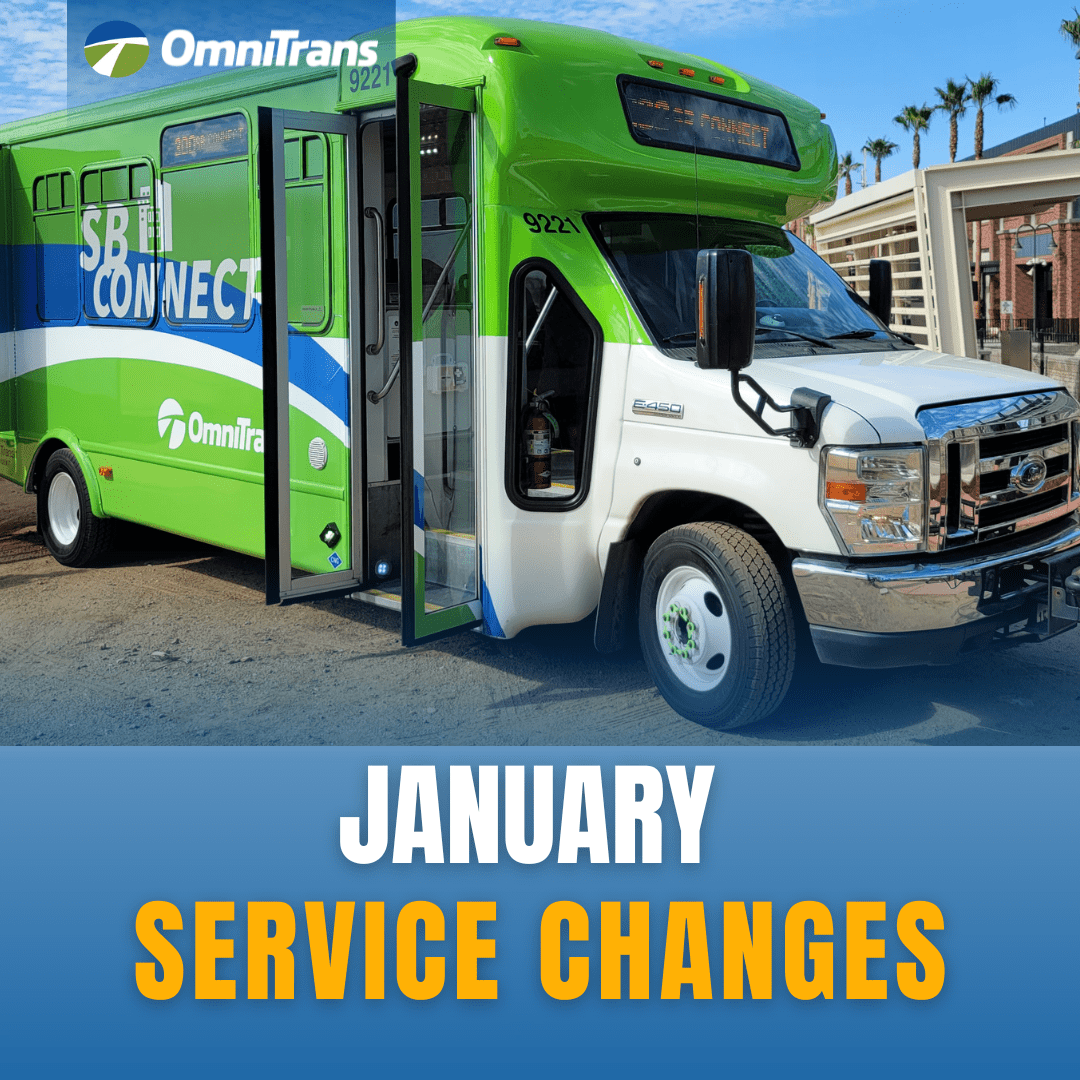
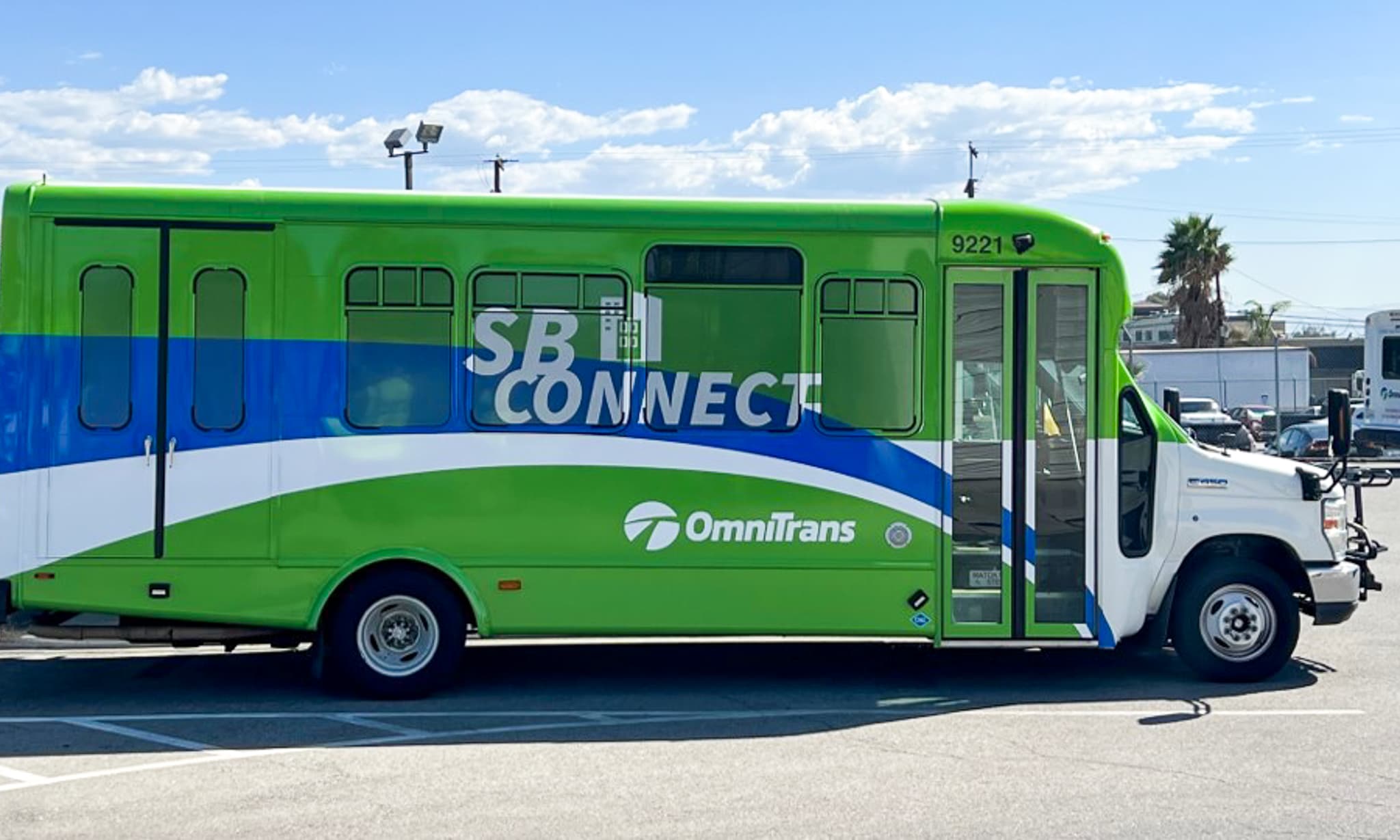
SB Connect, Omnitrans’ newest Omniconnect...
Are you planning to attend the San Bernardino...
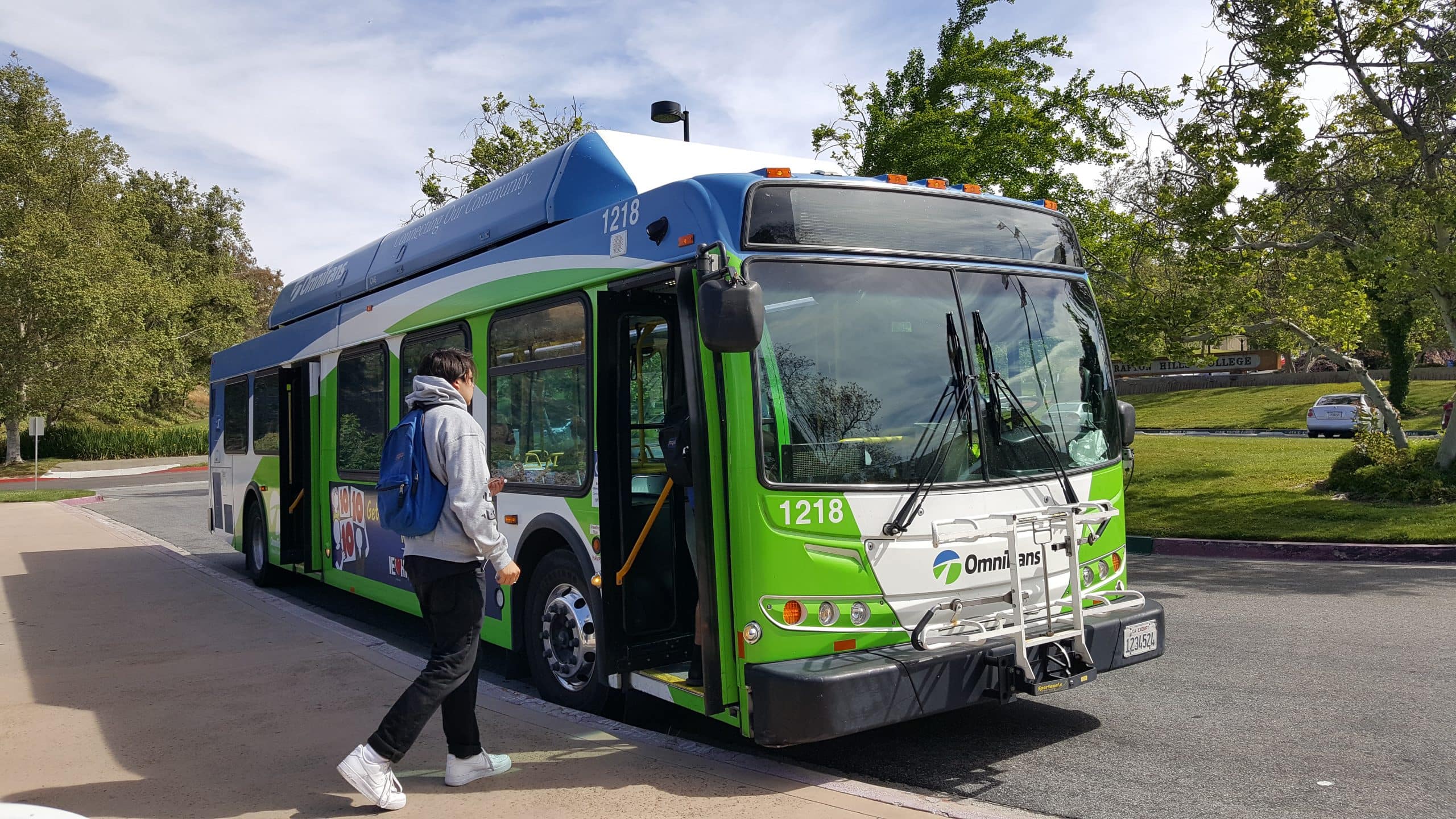
Student Walking onto Omnitrans...
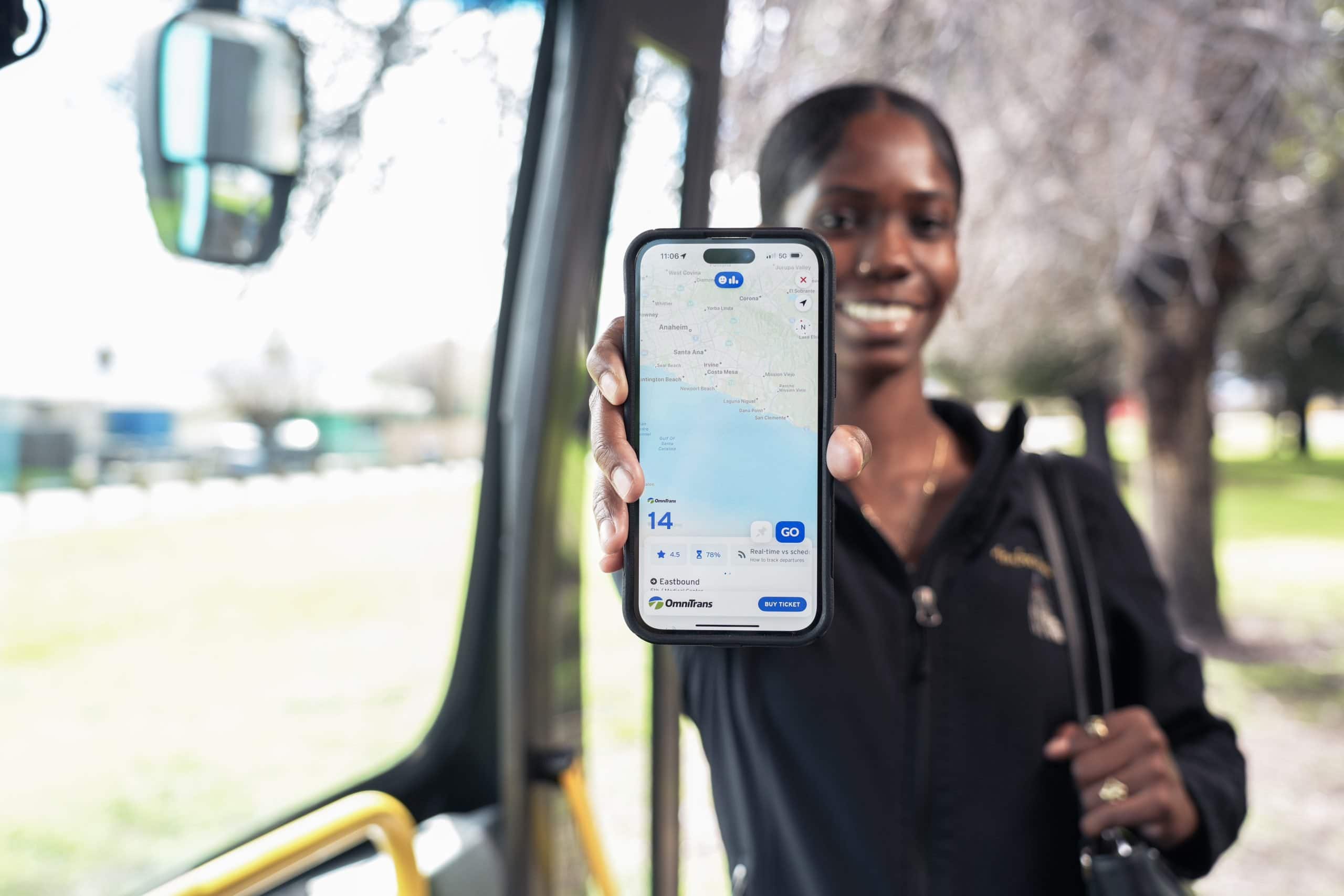
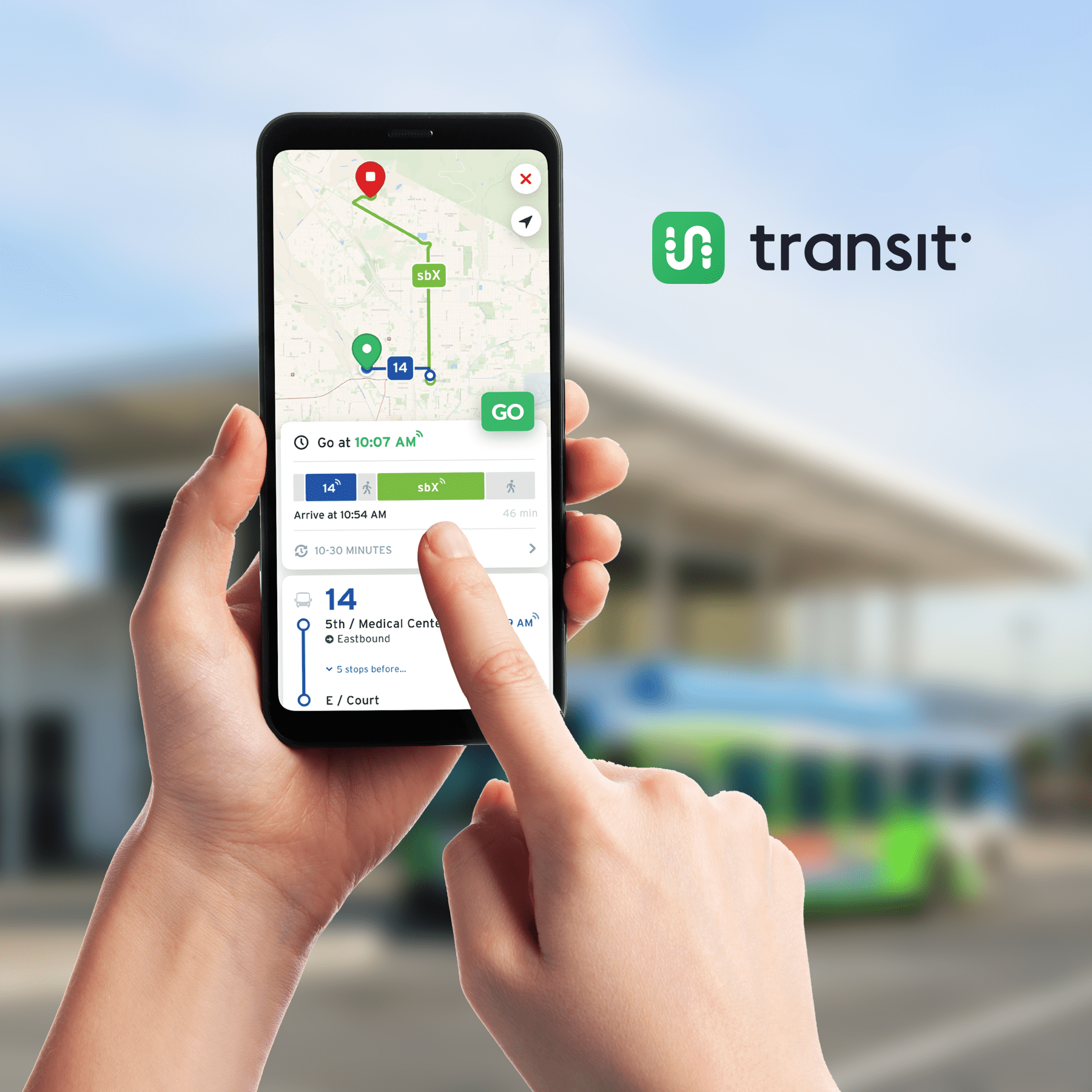
The Transit App is your perfect companion...
Omnitrans is introducing a new fare...
Getting between Ontario International...
Get where you need to go and more...
There are some exciting changes coming...
What has two entertainment stages, carnival...
Have you rated your ride with the Transit...
Free Fares For School has been extended through...
Great news! We are pleased to announce that...
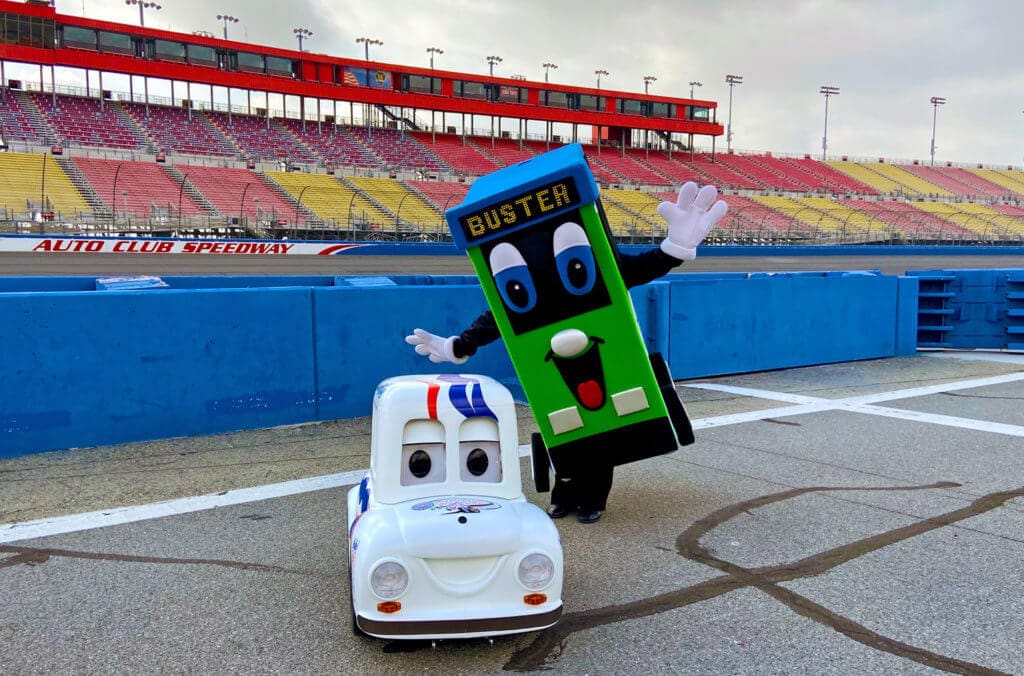
Photo of Buster and Friend
Are you ready for...
Omnitrans is proud to announce that our...
Omnitrans provides the San Bernardino Valley...
As life continues to return to normal this year,...
Yee-Haw! If you’re ready to saddle up and...
Omnitrans’ Board of Directors recently...
OmniTrans WIll Hold Public Meetings for Multiple...
Omnitrans offers upgraded Transit app...
Omnitrans is excited to announce that our Board...
Looking for a new career opportunity?...
You have made it to the end of another year –...
This January 3, 2022, OmniTrans...
Over the last year and a half, OmniTrans has...
Coach Operator Jonathan Cryer has made a...
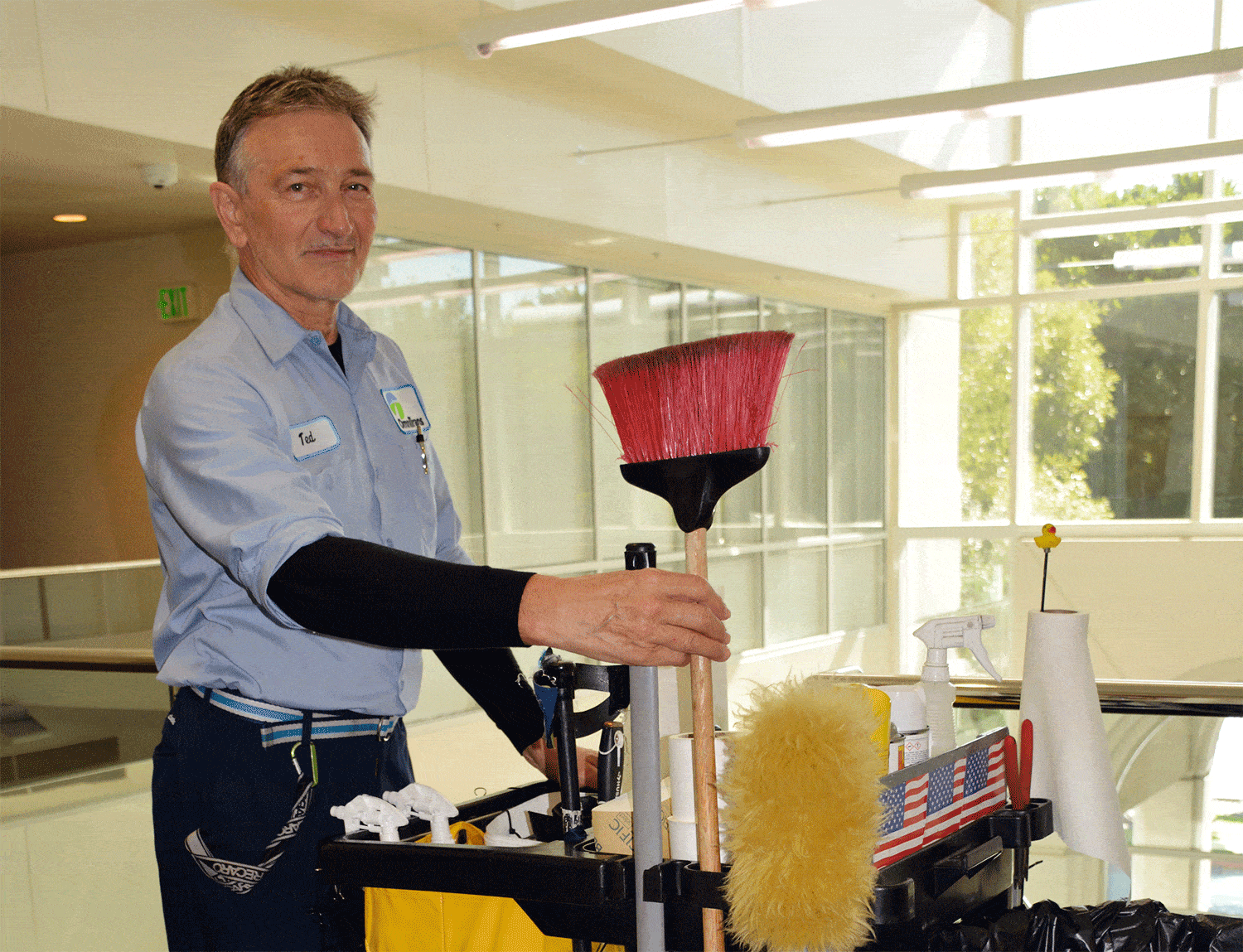
Custodian Ted Baranski has become known for...
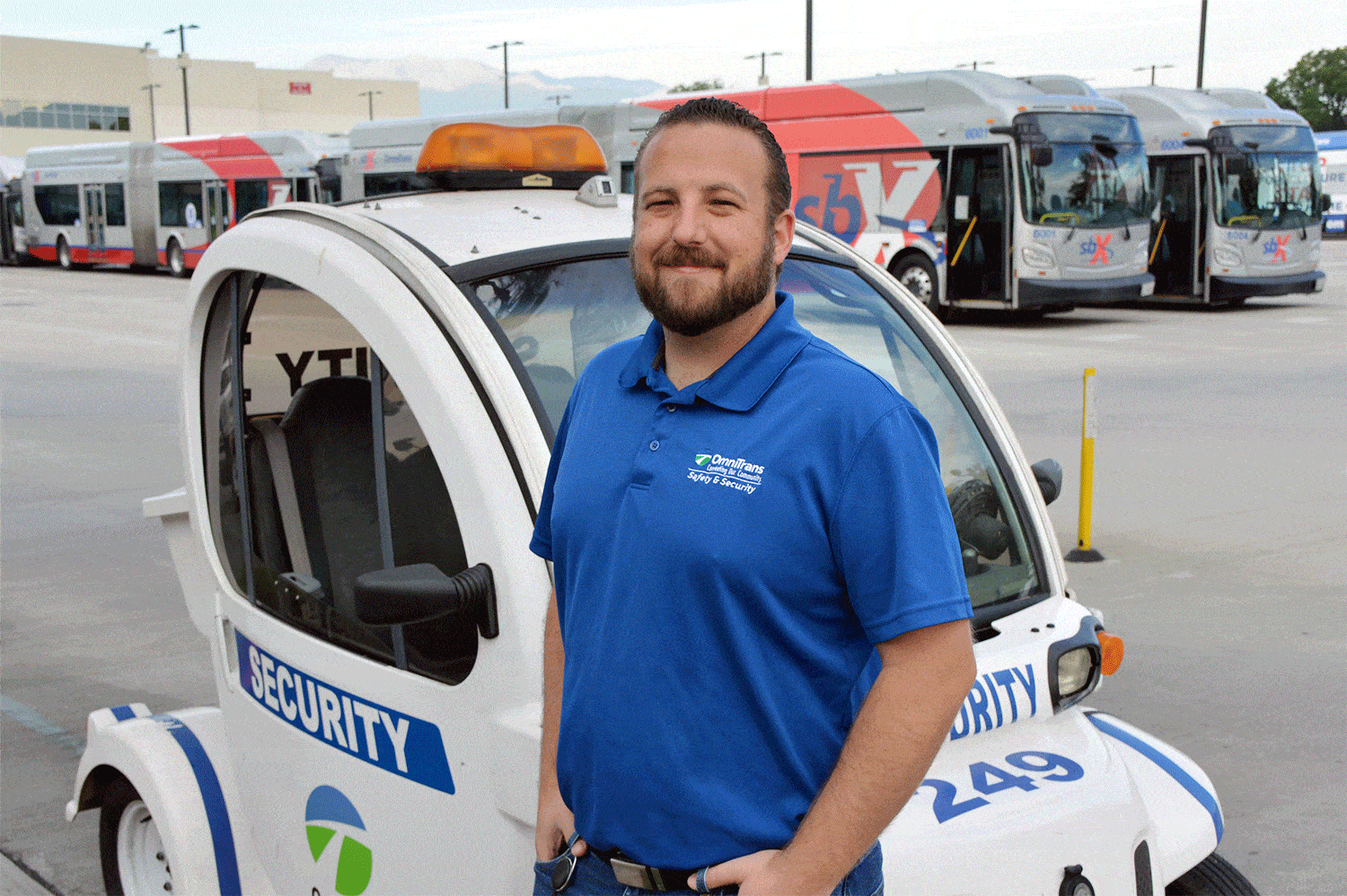
The safety and security of our customers and...
Omnitrans is proud to continue its...
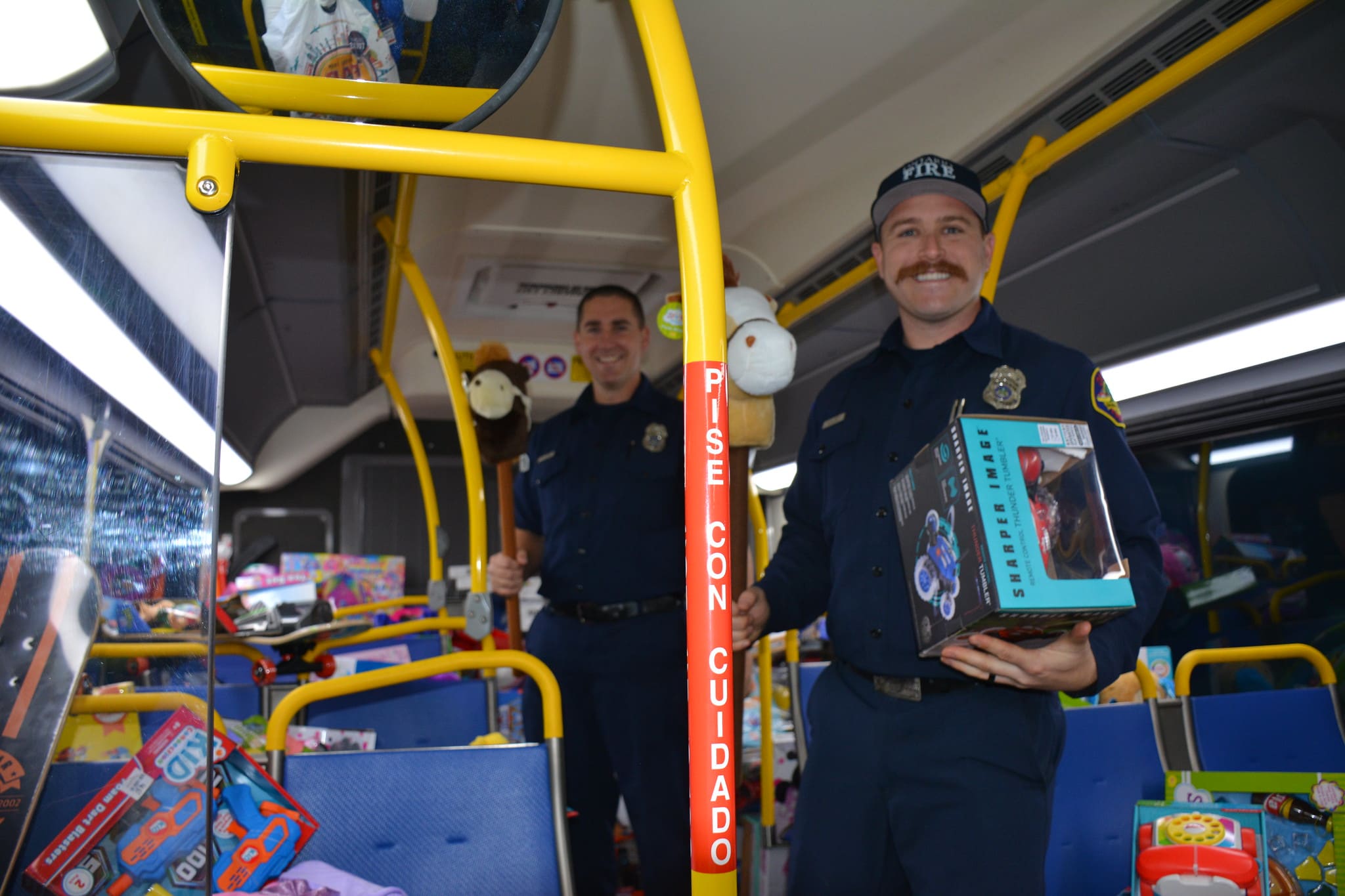
The holidays are upon us, and as we...
To thank and honor our veterans, Omnitrans...
Algunos de ustedes tal vez reconozcan a la...
As demand for transit services evolves and...
This spooky season, Chino Hills residents...
Driving large vehicles has always been a...
Maintenance Analyst Caroljo Mitcham has...
Craig Butler is recognized as Employee of...
As a forward-thinking...
If you already ride the bus, thanks for...
We love chatting with you! However,...
To give our hard-working coach operators and...
It’s a simple truth: there is no more...
Omnitrans is excited to welcome...
Click here to view a digital version...
Omnitrans is excited to help local youth get...
National Hot Dog Day, happening this July...
Coach Operator Manuel Acosta is recognized...
Dispatch Supervisor Christina Gaeta has led...
Over the last quarter, Equipment Mechanic...
Javier "John" Dutrey (left) and Darcy McNaboe...
If you have ever wanted to connect with...
In honor of Independence Day, Omnitrans...
While things slowed down over the last year,...
The weather’s getting warmer and the sun...
To welcome our students back to school and...
https://youtu.be/OFzGtNwJt9I
This week we...
Do you have a way with words? Do your verses...
To remember and honor those who gave all for...
This Spring, Omnitrans is making minor...
It has been a year unlike any other for the...
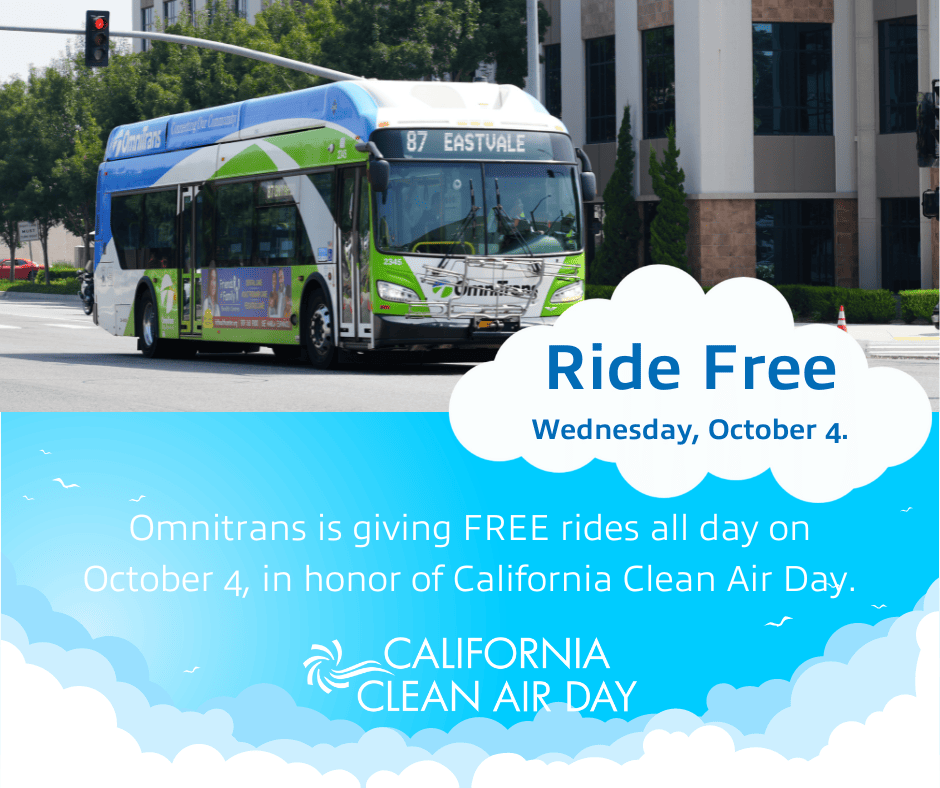
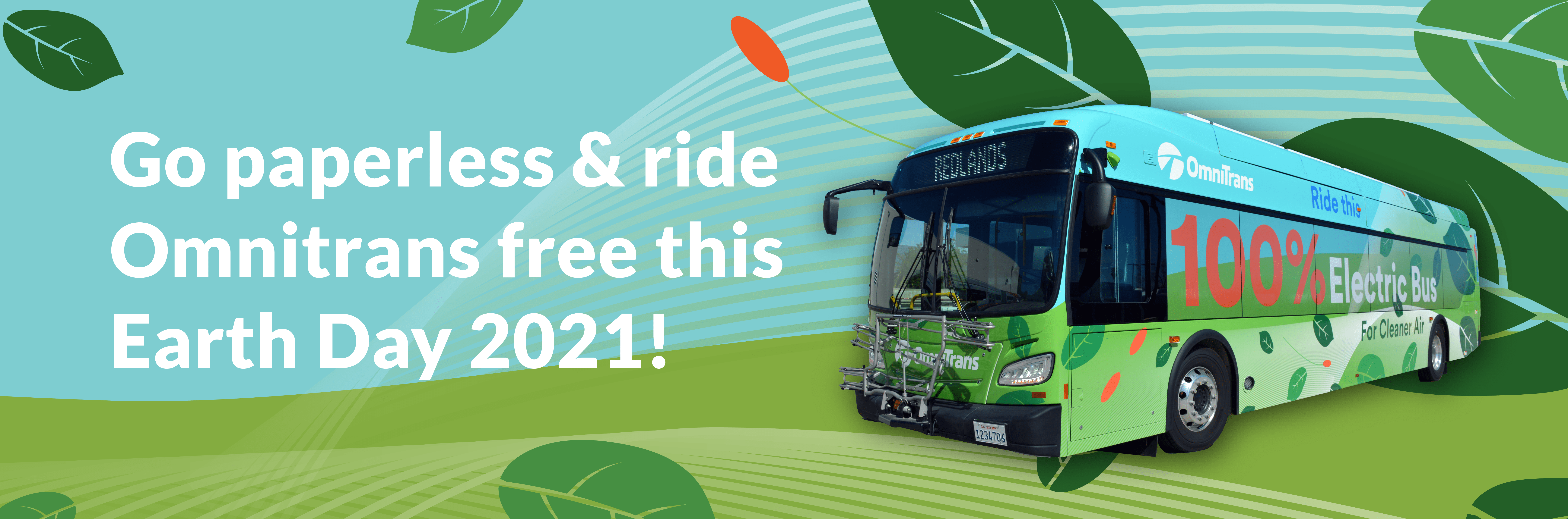
Ride Omnitrans free for cleaner air in honor...
Omnitrans is offering free shuttles to...
This week, Chino Hills students were able to...
Omnitrans offers convenient transit service...
Coach Operators Laura Bronson, Darnell Frierson,...
Help guide Omnitrans’ service plans for...
Coach Operator Betty Lipsey (left) activated to...
Behind the scenes at every transit agency is...
Every February, we celebrate the...
Starting Thursday, February 11, 2021, the Barton...
Due to street expansion construction at the...
Over the last few months, we have...
A new way to chat with us is here! If you...
If you frequent the San Bernardino Transit...
Updated 1/3/2020: The original posting...
Due to ongoing construction for I-10 Freeway...
This holiday season, Omnitrans buses will...
The San Bernardino County Transportation...
Each December for the last several years,...
This month, Development Planning Manager...
This Thanksgiving, bus operations and call...
Until further notice, there is no Metrolink...
To thank and honor our veterans, Omnitrans...
The results are in – Omnitrans riders...
https://youtu.be/PnqnJowB80I
As we continue...
Omnitrans invites you to tell us what would...
These days, social distance in public spaces...
As the public transit provider in the San...
This October, spiders are not the only ones...
Building Maintenance Mechanic David...
This month, we were pleased...
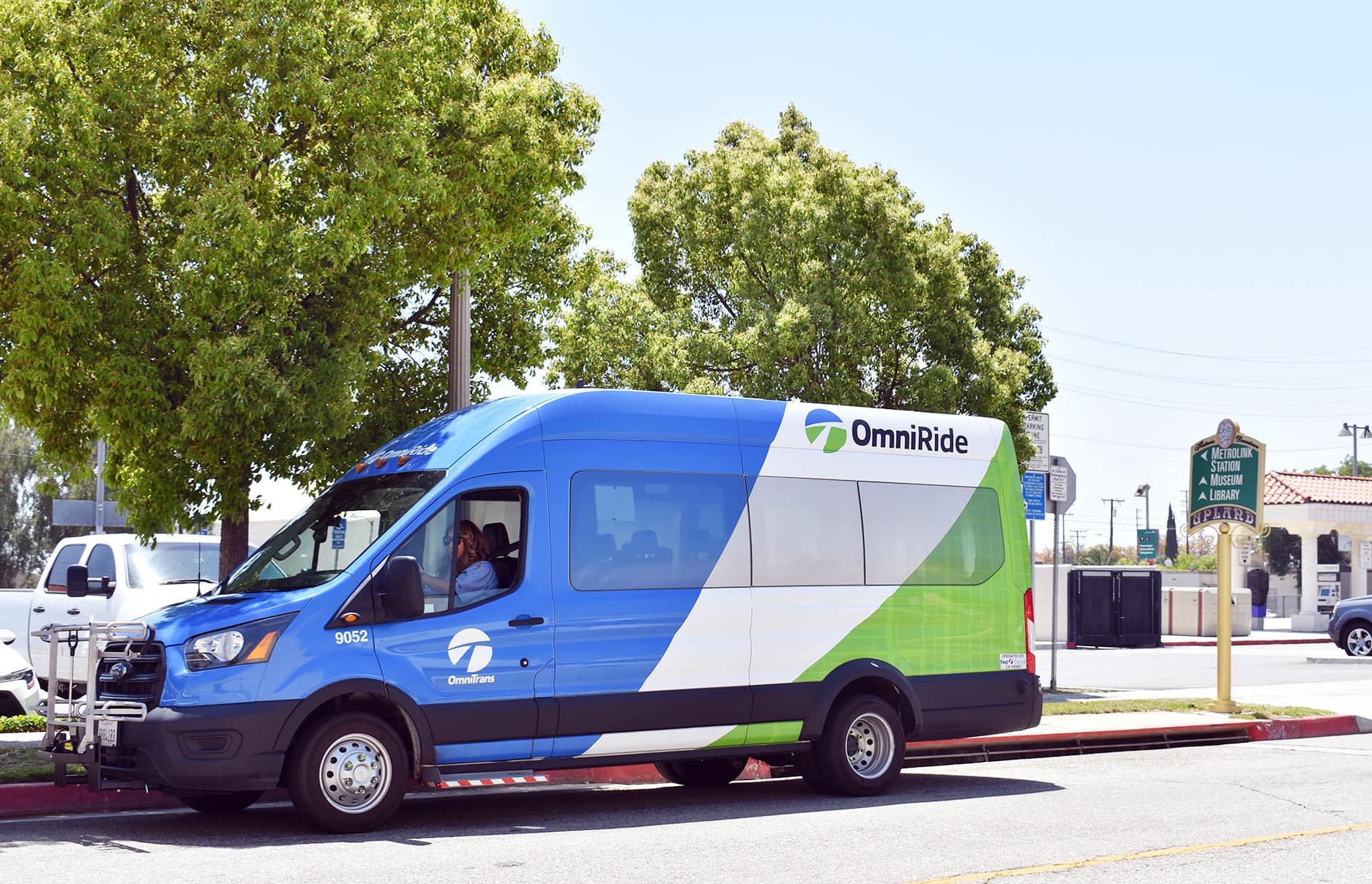
Omnitrans is excited to launch OmniRide –...
Click on the image to preview the new Omnitrans...
The long-awaited Arrow train is preparing...
In observation of Labor Day, Omnitrans buses...
During California’s stay-at-home period,...
The Omnitrans Board of Directors has named...
During the stay-at-home period, we provided over...
It is not just a buzzword of the moment –...
This spring, fear and uncertainty gripped...
In honor of Independence Day, Omnitrans...
Starting Monday, June 15, 2020, Omnitrans...
Earlier this month, Omnitrans resumed fare...
As we enter our "new normal" summer and...
As we continue to enhance safety measures...
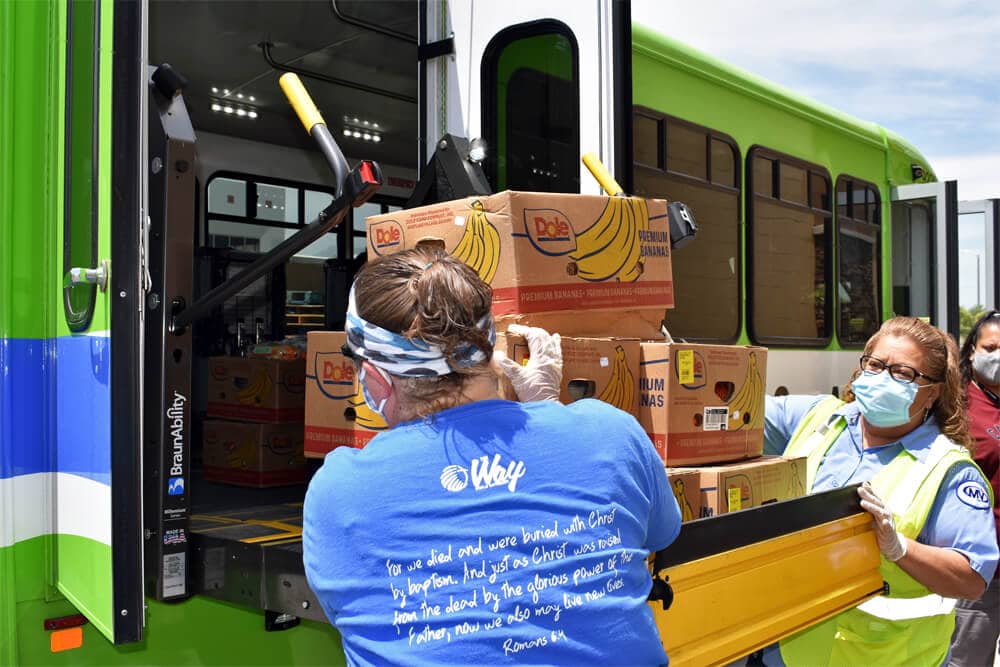
Volunteers and OmniAccess staff load cases of...
This contest closed on May 31, 2020.
Put...
To remember and honor those who made the...
We thank you for your flexibility and...
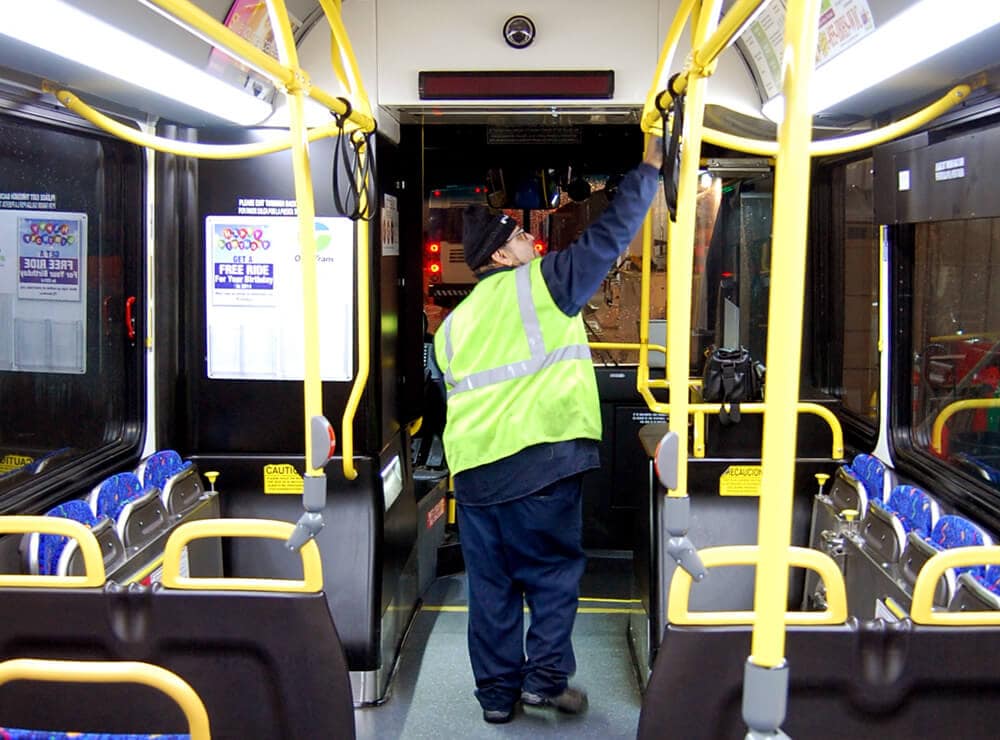
At Omnitrans, there is no higher priority...
UPDATE06/18/20 - Per the Governon's official...
The knowledgeable Omnitrans customer service...
Grocery checkout lines snake through the...
Earth Day is celebrated on April 22 this year,...
Omnitrans is working with health officials to...
Over the last few weeks, our frontline workers...
UPDATE06/18/20 - Per the Governon's...
UPDATE5/11/20 - The County of San Bernardino...
As the world grapples with the coronavirus...
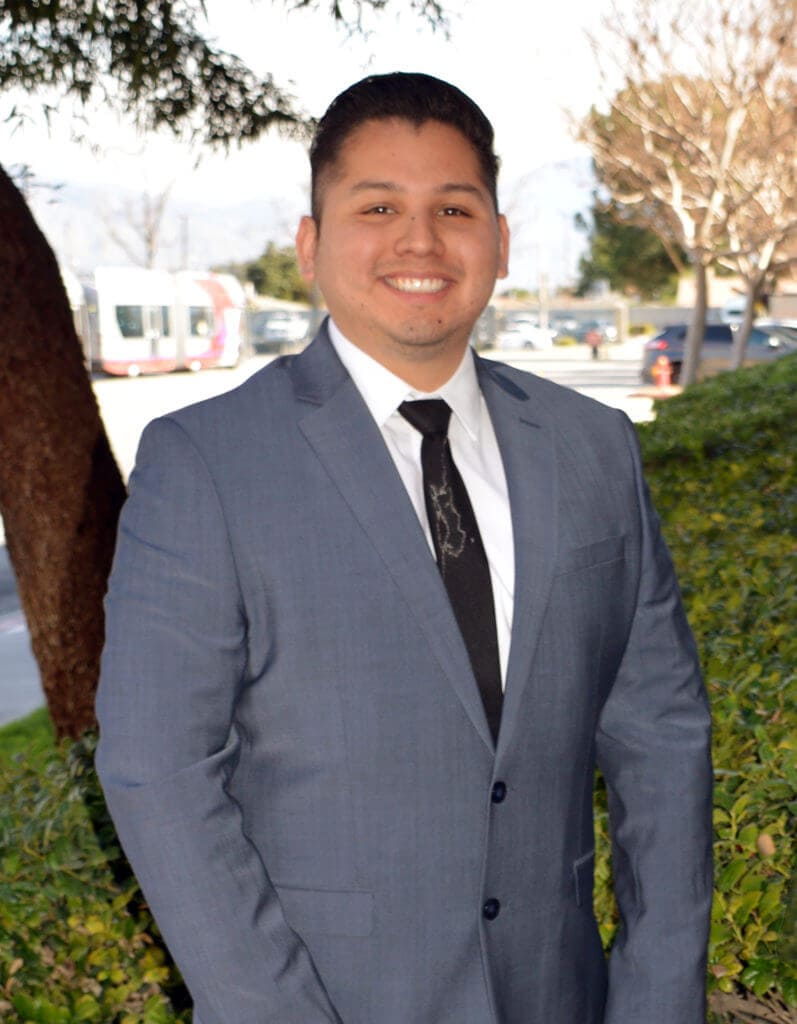
Alex Chen has been selected as Omnitrans'...
UPDATE5/11/20 - The County of San Bernardino...
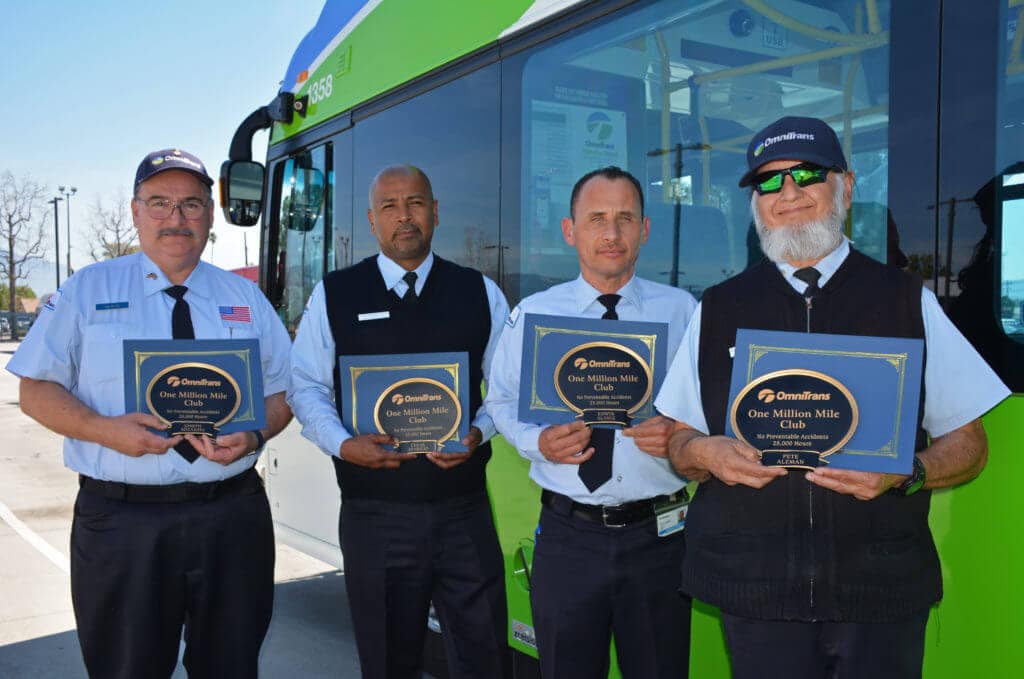
Every year, Omnitrans recognizes drivers who...
Omnitrans is continuously seeking ways to...
UPDATE3/13/20: The health risk from...
Nicole Ramos was recently promoted to...
At February’s monthly
meeting, the...
Taking on multiple roles at once can be a...
Could a Girl Scout be
the future CEO of...
The results are in – and for the...
Hey, y'all. Buster here! Let me tell you...
Omnitrans was proud to participate in this...
A car breaking down is never fun. As a...